# Diabetes Management: Understanding, Preventing and Controlling Diabetes
Diabetes is a common health condition that affects the way the body regulates blood glucose, also known as blood sugar. With proper medical care, regular monitoring, healthy eating habits, physical activity, and lifestyle changes, many people with diabetes can effectively manage their condition and maintain a healthy quality of life.
## What Is Diabetes?
Diabetes occurs when the body does not produce enough insulin or cannot use insulin effectively. Insulin is a hormone that helps glucose move from the bloodstream into the body's cells, where it is used for energy.
When blood glucose levels remain high over time, diabetes can affect different organs and systems of the body.
## Common Symptoms of Diabetes
Some common symptoms of diabetes may include:
- Increased thirst
- Frequent urination
- Increased hunger
- Unexplained weight changes
- Tiredness or weakness
- Blurred vision
- Slow-healing wounds
- Frequent infections
- Tingling or numbness in the hands or feet
Some people may have diabetes without noticeable symptoms, which is why regular health check-ups can be important, especially for people with risk factors.
## Types of Diabetes
The main types of diabetes include Type 1 diabetes, Type 2 diabetes, and gestational diabetes.
Type 1 diabetes occurs when the body's immune system attacks the cells responsible for producing insulin. People with Type 1 diabetes generally require insulin treatment.
Type 2 diabetes is the most common form and occurs when the body does not use insulin effectively or does not produce enough insulin. Lifestyle factors, genetics, age, and other factors can contribute to the risk of developing Type 2 diabetes.
Gestational diabetes can develop during pregnancy and requires appropriate monitoring and medical care.
## Why Blood Sugar Monitoring Matters
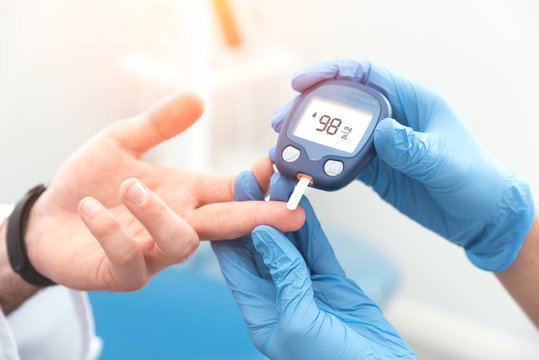
Regular blood glucose monitoring can help people understand how their blood sugar responds to food, physical activity, medicines, and other lifestyle factors.
Doctors may recommend different types of blood glucose tests depending on an individual's condition and treatment plan. Regular follow-up appointments can also help healthcare professionals monitor overall health and adjust treatment when necessary.
## Healthy Lifestyle Habits for Diabetes Management
Lifestyle plays an important role in diabetes management. Depending on individual medical advice, healthy habits may include:
- Eating a balanced and nutritious diet
- Choosing appropriate portion sizes
- Staying physically active
- Maintaining a healthy body weight
- Taking prescribed medicines as directed
- Monitoring blood glucose as recommended
- Getting adequate sleep
- Managing stress
- Avoiding tobacco products
A healthcare professional or dietitian can provide personalized dietary and lifestyle guidance based on individual needs.
## Preventing Diabetes Complications
Consistently high blood sugar levels can increase the risk of complications affecting the heart, kidneys, eyes, nerves, and other parts of the body.
Regular medical check-ups can help monitor blood pressure, cholesterol, kidney function, eye health, and other important aspects of diabetes care.
Following the recommended treatment plan and attending regular follow-up appointments can help reduce the risk of complications.
## Diabetes Care at Jyothi Multispeciality Hospital
At Jyothi Multispeciality Hospital, our medical team focuses on providing comprehensive care for patients with diabetes and related health conditions.
Our approach includes evaluation, blood glucose monitoring, lifestyle guidance, medical management, and regular follow-up based on each patient's individual health needs.
## Take Control of Your Health
Diabetes can often be managed effectively with the right medical guidance and consistent lifestyle habits. Understanding your blood sugar levels, following your treatment plan, maintaining a healthy lifestyle, and attending regular health check-ups can help support long-term health.
If you have symptoms of diabetes or have risk factors for developing the condition, consult a qualified healthcare professional for appropriate evaluation and guidance.